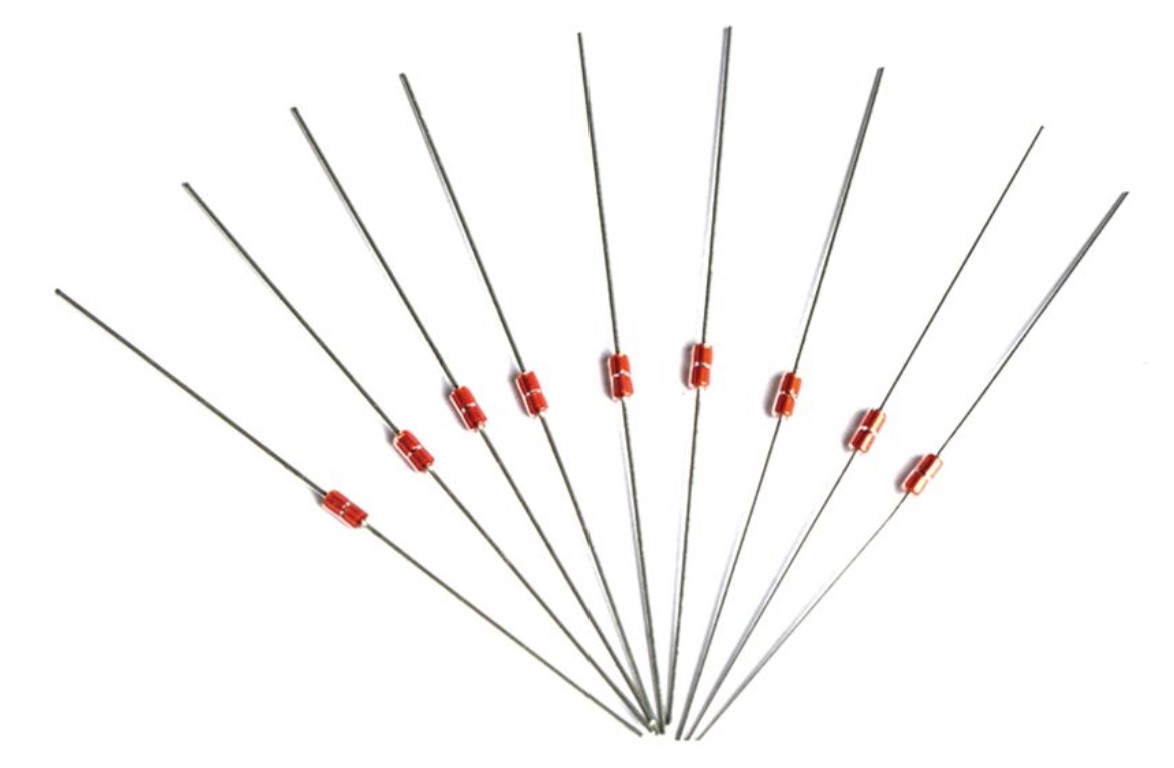
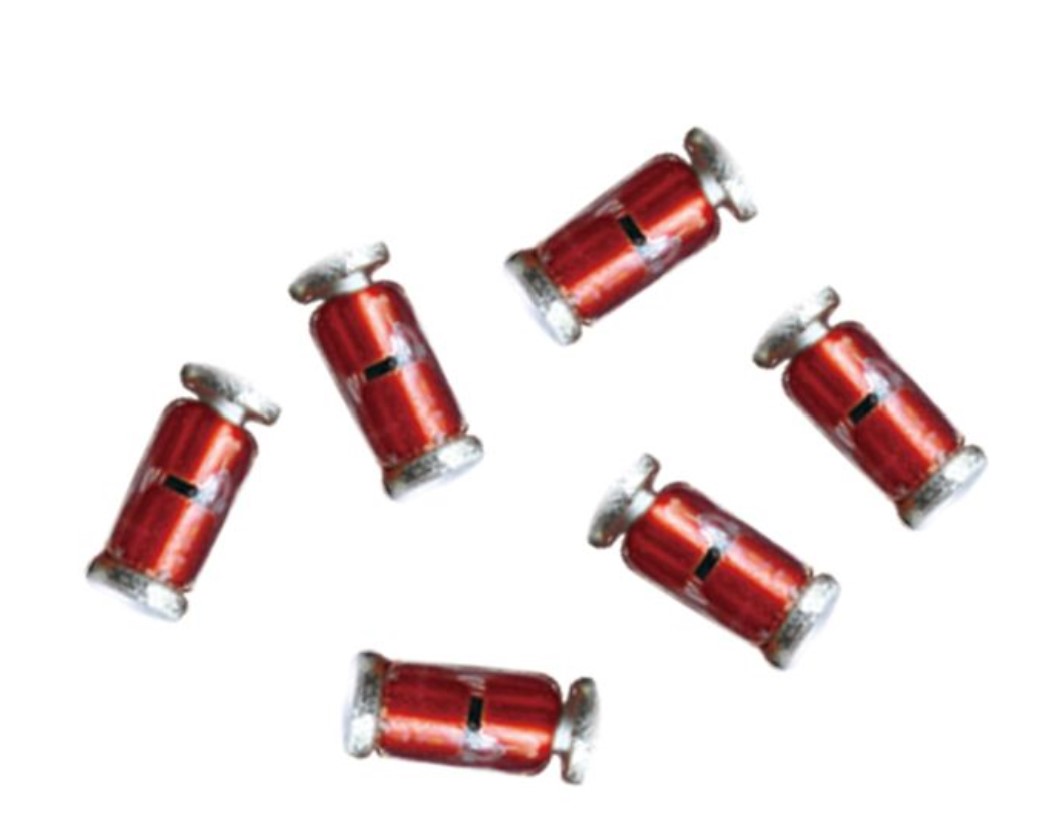
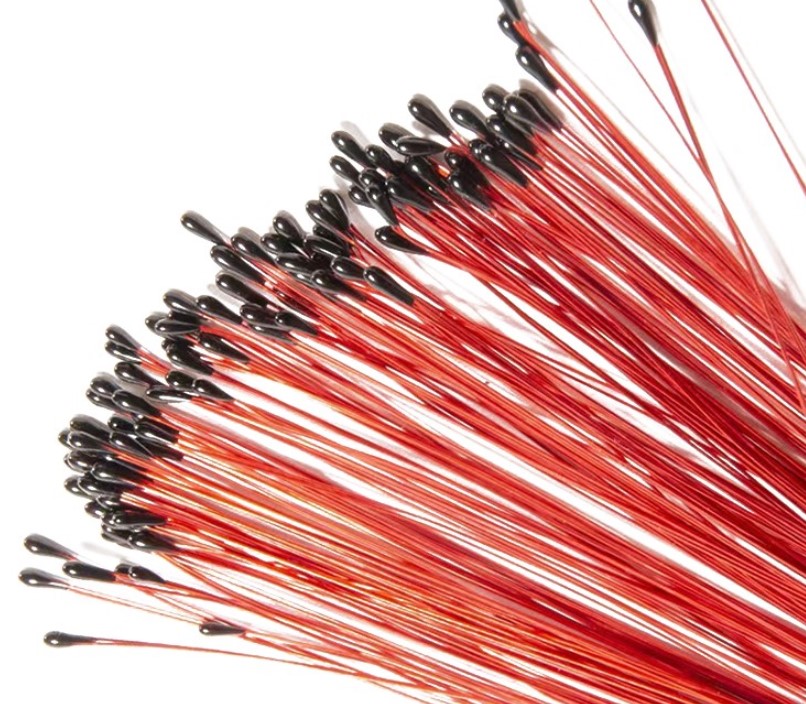
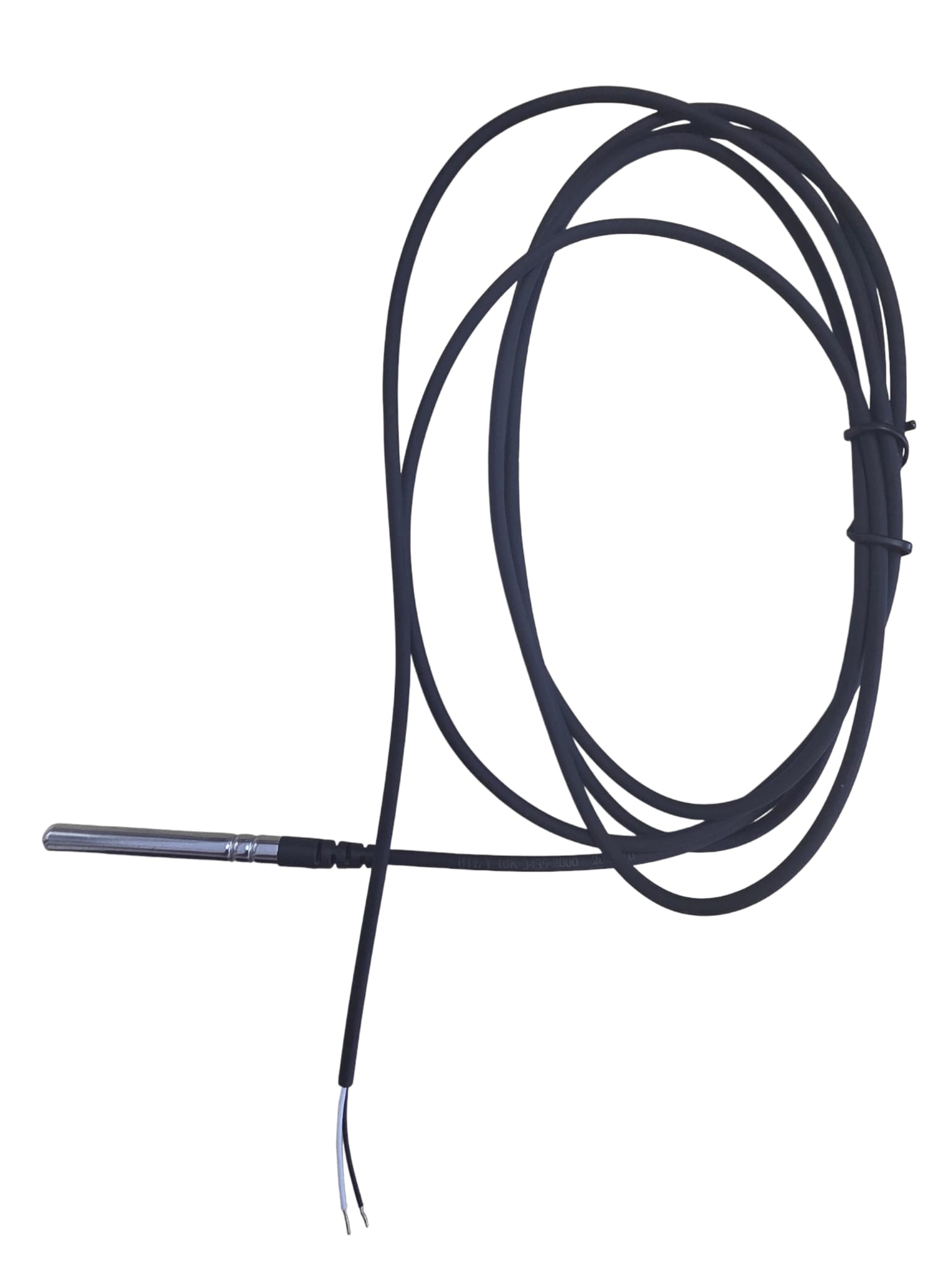
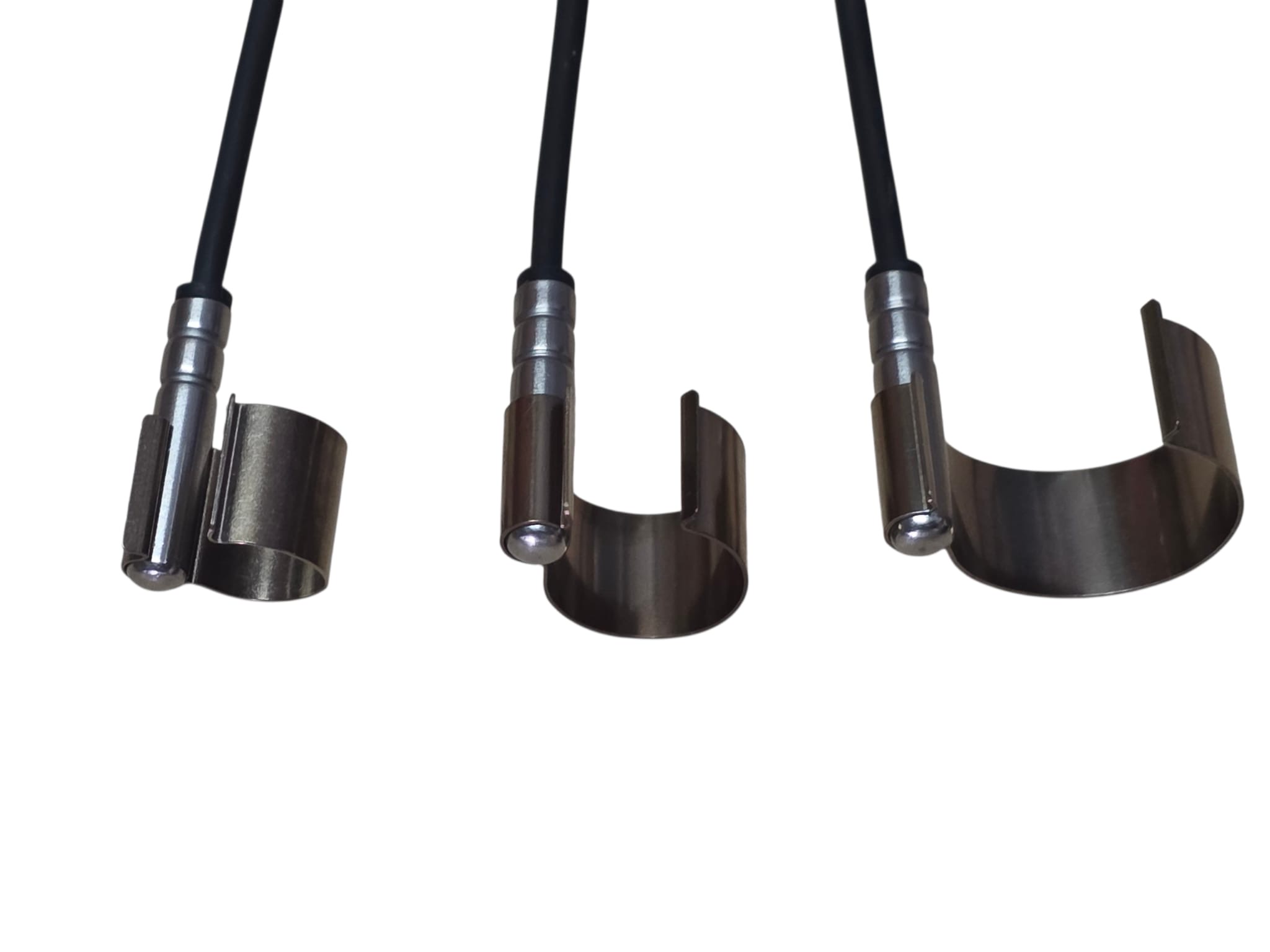
Thermistor Definition
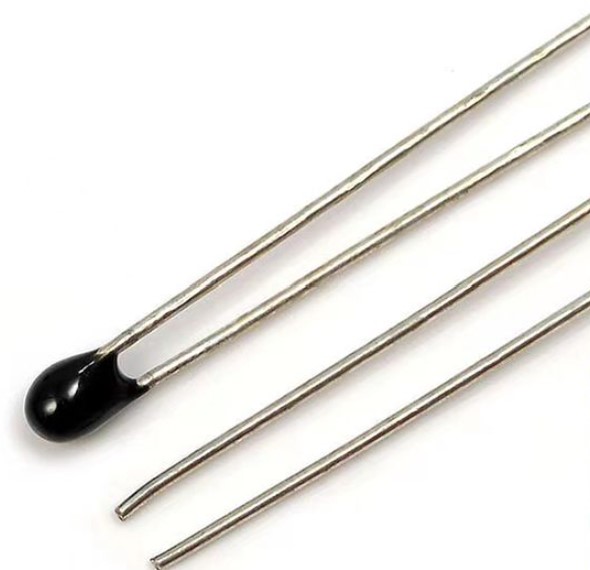
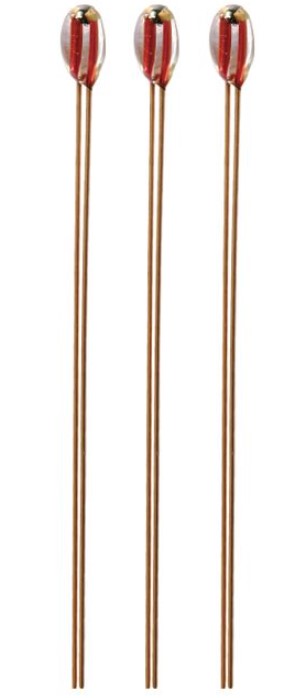
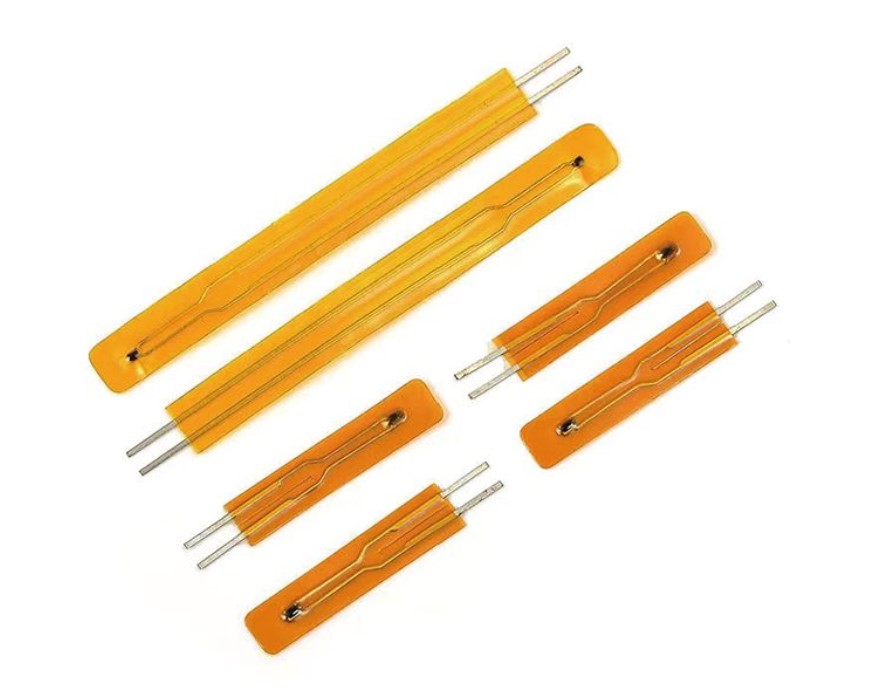
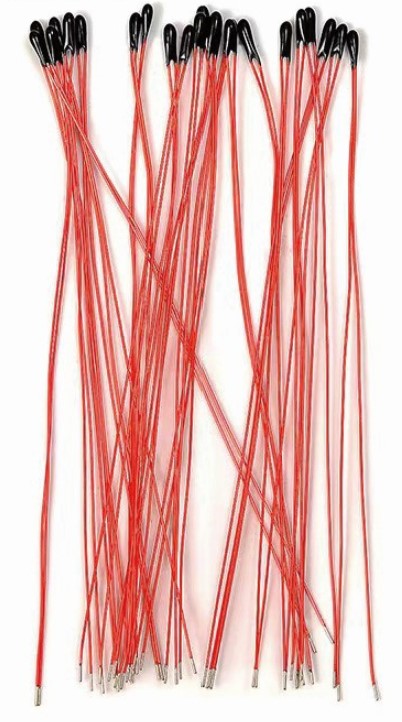
The word "thermistor" is derived from its description: “thermal sensitive resistor”. Thermistors are passive semiconductors, which produce resistance values dependent on temperature.
A Negative Temperature Coefficient (NTC) thermistor decreases in resistance as its body temperature increases. In fact, NTC thermistors exhibit two characteristics, which make them extremely useful in various applications. Their change in resistance is predictable and relatively large per degree of change in temperature.
Resistance-Temperature (R/T) Curves and Negative Temperature Coefficient
Nine different materials are made, each with its own unique and predictable resistance-temperature characteristics. These characteristics are called "curves". Thermistors are most often specified by their curve and by their resistance value at 25°C.
The NTC (Negative Temperature Coefficient) is the negative percentage resistance change per degree Celsius. Our thermistors have NTC values at 25°C ranging from -3.9% to resistance values at 25°C, which range from 300 ohms to 40 megohms.
Thermal Time Constant
The time constant, expressed in seconds, is the time required for a thermistor to indicate 63.2% of a newly impressed temperature. The mass of the thermistor and its thermal coupling to the environment directly influence the thermistor's time constant. An epoxy- or phenolic-coated thermistor with a 0.095” O.D. will typically have a time constant of 0.75 seconds in stirred oil and 10 seconds in still air.
Dissipation Constant
The dissipation constant is the power required to raise the temperature of a thermistor 1°C above the surrounding environment. Power is expressed in watts. The dissipation constant of a thermistor with a 0.095" O.D., coated with epoxy or phenolic, is typically 13 mW/°C in stirred oil and 2 mW/°C in still air.
Voltage/Current Requirements
A thermistor with very low current is required for temperature measurement, control, or compensation applications. Current levels should typically be less than 100 mA for the thermistor to dissipate “zero power”. As previously discussed, power dissipation for a thermistor in still air is approximately 2 mW/°C. Therefore, to keep the thermal error (self-heat) below 0.1°C, the power dissipation must be less than 0.2 mW.
Self-heating is desirable in applications such as airflow measurement and liquid level control. Standard epoxy- or phenolic-coated thermistors with a 0.095” O.D. have a maximum power rating of 30 milliwatts at 25°C to 1 milliwatt at 100°C.